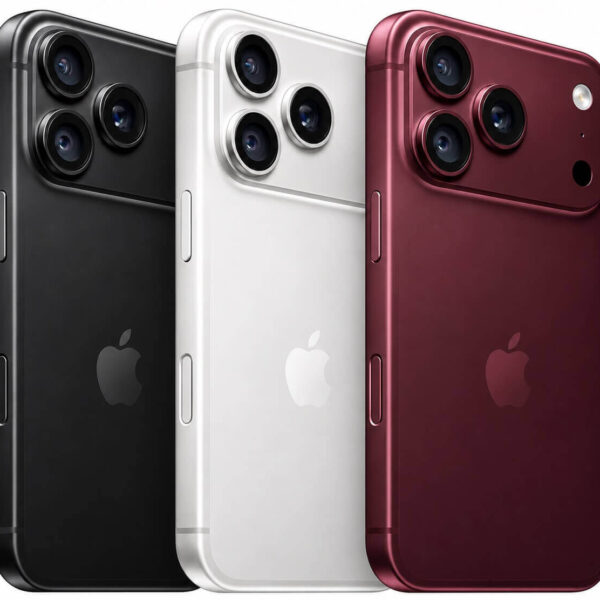





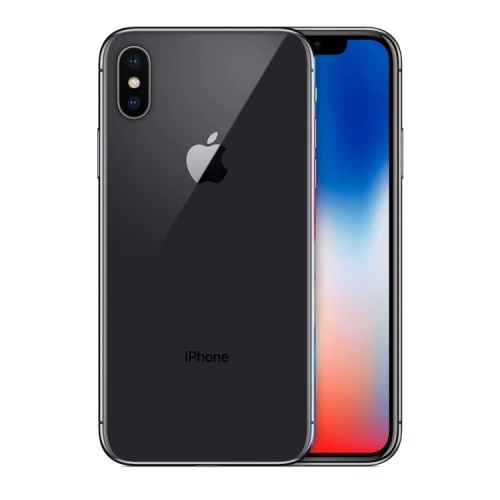
The iPhone X still looks good. The edge-to-edge screen and slim design make it seem like a bargain, and for basic tasks such as calls, texts and casual browsing, it remains functional. As an ordinary user thinking of spending my own money, though, the real question is how long it will stay safe and useful.
The iPhone X cannot run anything newer than iOS 16. Its most recent iOS 16 update arrived on 11 May 2026, and that update was an emergency fix. Apple has not announced an end date, but that lifeline is widely expected to end now that iOS 27 has shipped.
That matters most for the apps I would use daily. Apps are increasingly dropping support for iOS 16, which makes the phone a poor choice for banking, work email or anything involving sensitive personal data.
Next to the iPhone X, the iPhone 11 looks sensible. According to one refurbished-phone retailer, it runs iOS 27, lasts noticeably longer on a charge and takes better photos. The two phones also start at similar refurbished prices, so the extra years of updates cost very little.
If the price is simply too good to ignore, I would check these points first:
- Battery health: aim for above 80%, and budget for a replacement.
- Face ID and screen: test both thoroughly before paying.
- iCloud lock: make sure the previous owner has removed it.
- Use: keep it for light, low-risk tasks rather than banking.
The iPhone X is not a bad phone. It is simply too old to trust with important tasks in 2026. A newer used iPhone, or a budget Android with a long update promise, would serve me better for the long run.